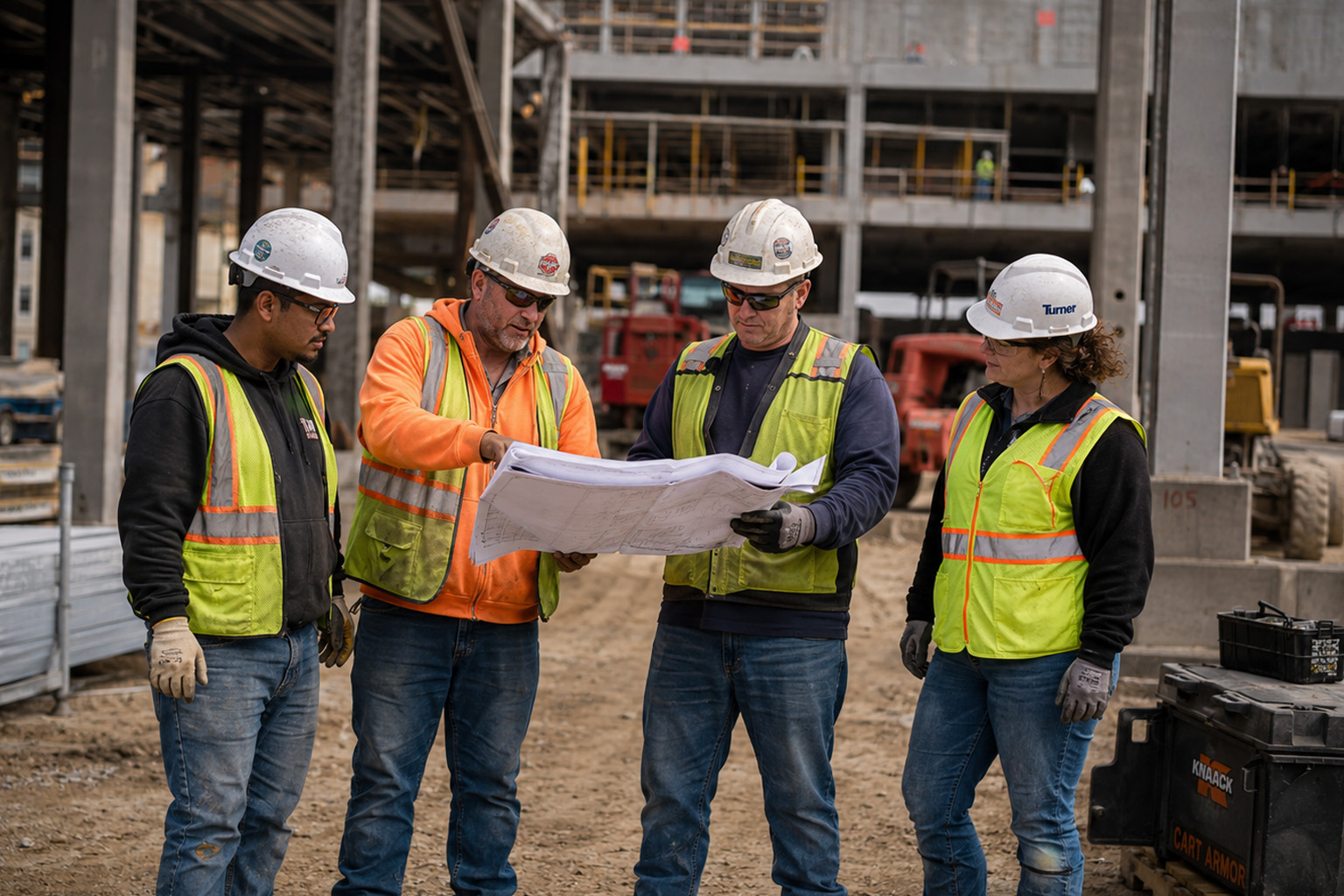
Commercial construction projects require clear planning, coordination, and consistent execution from the very beginning. Commercial general contractors in las vegas play a key role in managing each stage with proper structure and direction. Builders United supports businesses by ensuring projects move forward with organized planning, timely coordination, and reliable oversight from start to completion.
Whether it is a retail space, office building, or large facility, working with an experienced team like Builders United helps simplify complex construction processes. This guide explains what a contractor does at every stage and why their role matters in modern las vegas commercial construction.
Understanding the Role of a Commercial General Contractor
A commercial general contractor is responsible for managing the full construction process. They oversee planning, hiring, scheduling, and execution while keeping the project aligned with design expectations. Instead of handling individual tasks, contractors coordinate teams such as architects, engineers, and subcontractors. This ensures that every detail works together without delays or confusion. In growing markets like Las Vegas, contractors also understand local building codes, environmental factors, and permit requirements. Their expertise helps prevent costly mistakes and keeps the project on track.
Project Planning and Pre-Construction Phase
This phase focuses on defining goals, timelines, and resources. Early planning helps reduce risks, improve coordination, and create a strong base for smooth construction progress.
Initial Consultation and Scope Definition
The process begins with understanding the project’s purpose. Contractors meet with clients to define goals, timelines, and expectations.
During this phase, Builders United works closely with stakeholders to gather key details such as:
-
- Building type and usage
-
- Estimated project size
-
- Budget expectations
-
- Site conditions
Clear planning at this stage reduces risks later in construction.
Budgeting and Cost Planning
A contractor prepares detailed cost estimates based on materials, labor, and project complexity. While exact numbers vary, careful planning ensures that resources are used efficiently. Accurate budgeting also helps clients prioritize features and avoid unnecessary expenses.
Permits and Legal Requirements
In las vegas commercial construction, obtaining permits is a critical step. Contractors handle paperwork, approvals, and compliance with local regulations.
This includes zoning laws, safety codes, and environmental guidelines. Managing these early prevents delays once construction begins.
Design Coordination and Collaboration
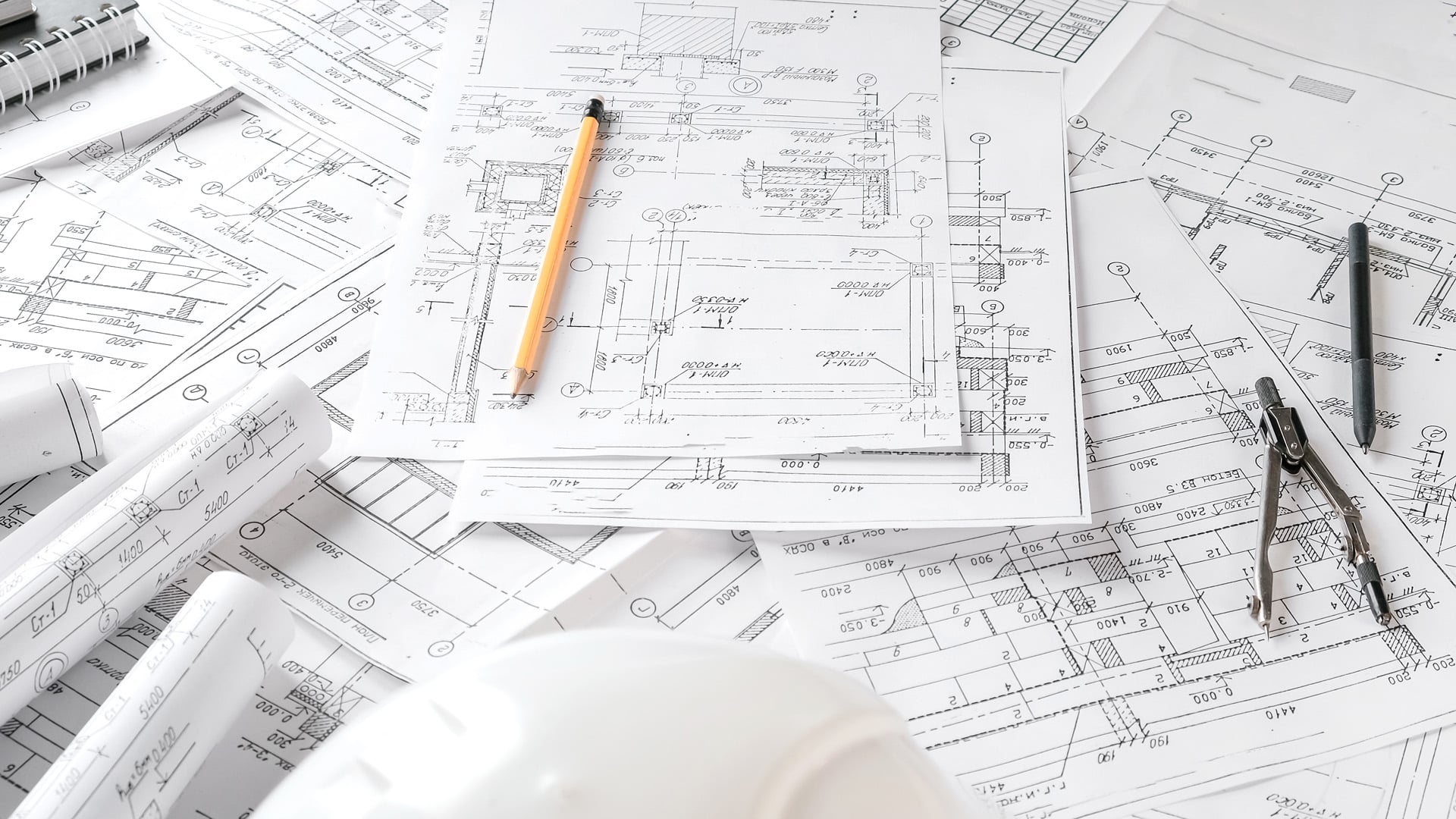
Contractors work closely with designers to ensure plans are practical and ready for execution. This step helps avoid delays and improves overall project efficiency.
Working with Architects and Engineers
A commercial general contractor acts as the bridge between design and construction teams. They review architectural plans and ensure they are practical for execution.
Collaboration helps identify potential issues before construction starts, saving time and effort.
Value Engineering
Contractors often suggest alternative materials or methods that maintain quality while improving efficiency. This process is called value engineering.
It allows clients to get better results without unnecessary complications.
Procurement and Resource Management
Proper sourcing of materials and skilled teams is essential. Contractors manage resources carefully to maintain quality and keep the project moving without interruptions.
Hiring Subcontractors
Contractors select skilled subcontractors for specialized tasks such as electrical work, plumbing, and structural installation.
Reliable subcontractors are key to maintaining timelines and ensuring quality workmanship.
Material Sourcing
Another responsibility is sourcing construction materials. Contractors coordinate deliveries, check quality, and ensure materials arrive when needed.
Construction Phase Execution
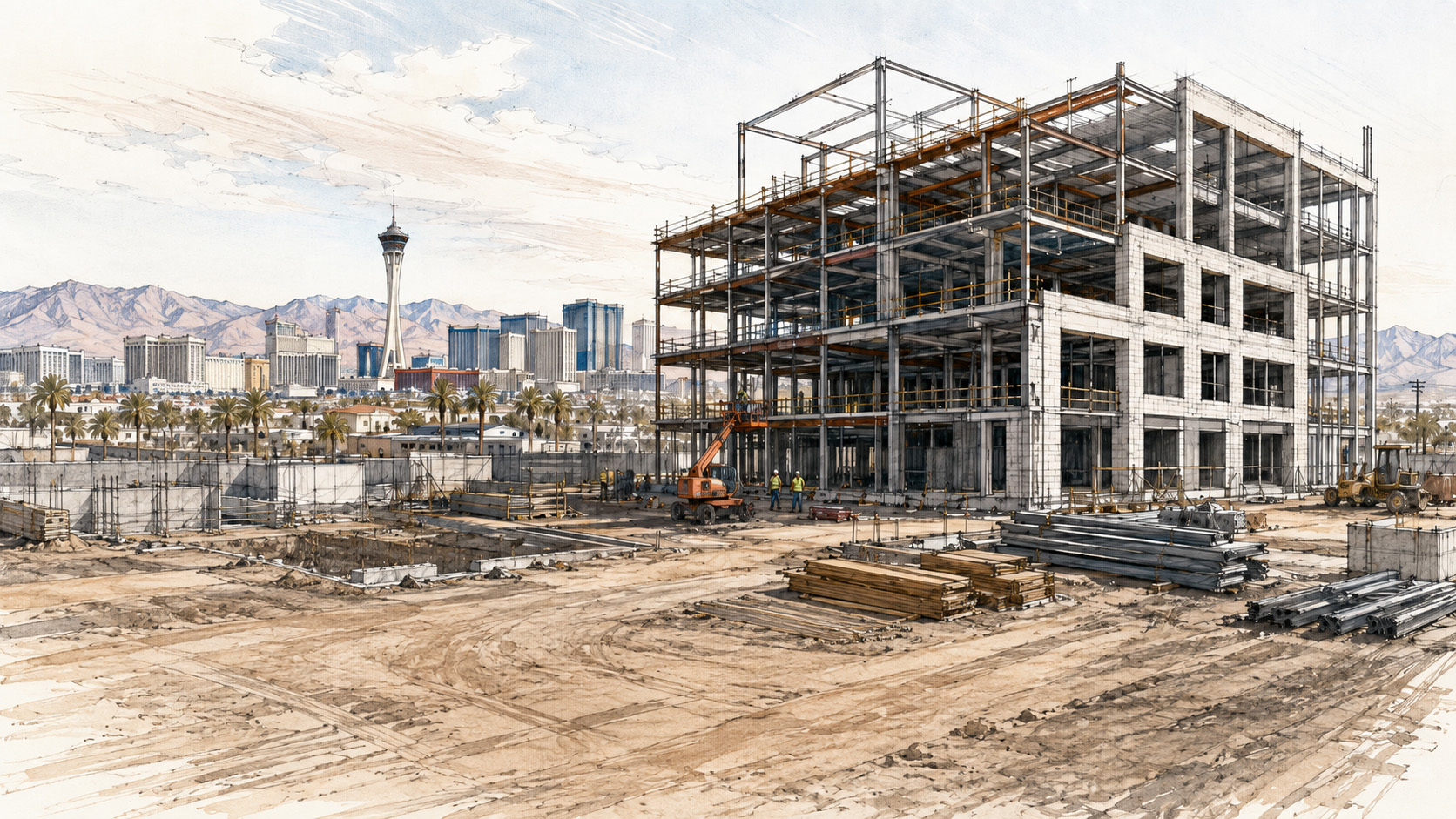
This is where plans turn into action. Contractors supervise daily work, manage teams, and ensure that everything progresses according to schedule and standards.
Site Preparation
Before building begins, the site must be cleared and prepared. This includes grading, excavation, and setting up safety measures.
Proper preparation ensures a stable foundation for the structure.
Daily Project Management
During construction, commercial general contractors in las vegas manage daily operations. They supervise teams, track progress, and address challenges quickly.
Their role includes:
-
- Scheduling work activities
-
- Monitoring safety practices
-
- Ensuring quality standards
-
- Coordinating inspections
This hands-on management keeps projects aligned with timelines.
Communication and Reporting
Regular updates are shared with clients to maintain transparency. Contractors provide progress reports and discuss any changes or adjustments.
Quality Control and Safety Management
Maintaining quality and safety is a continuous process. Regular checks and proper guidelines help ensure the structure is safe, reliable, and built as planned.
Maintaining Construction Standards
Quality control is a continuous process throughout the project. Contractors inspect work at every stage to ensure it meets design specifications. Attention to detail ensures that the final structure is durable and functional.
Safety Compliance
Safety is a top priority in las vegas commercial construction. Contractors implement strict safety protocols to protect workers and the site. This includes training, equipment checks, and compliance with safety regulations.
Managing Challenges and Problem Solving
Construction projects often face unexpected issues such as weather delays, supply shortages, or design adjustments. A commercial general contractor is responsible for finding solutions without disrupting the entire project.
Their experience allows them to:
-
- Adjust schedules when needed
-
- Source alternative materials
-
- Coordinate changes efficiently
Final Inspections and Project Completion
Before completion, every detail is reviewed carefully. This ensures that the project meets required standards and is ready for client handover.
System Testing and Final Checks
Before completion, contractors conduct detailed inspections to ensure everything functions correctly. This includes electrical systems, plumbing, and structural elements. Any issues identified are resolved before handover.
Client Walkthrough
Clients are invited to review the completed project. Contractors explain features, systems, and maintenance requirements. This ensures that the client fully understands the finished space.
Project Handover
Once all approvals are completed, the project is officially handed over. Documentation, warranties, and final reports are provided.
Post-Construction Support
Even after completion, contractors may provide ongoing support. This can include maintenance guidance or addressing minor adjustments.
Builders United focuses on long-term client relationships by ensuring continued satisfaction after project delivery.
Why Experience Matters in Commercial Construction
Choosing experienced commercial general contractors in las vegas makes a significant difference in project outcomes. Their knowledge helps avoid delays, manage resources efficiently, and maintain high construction standards. In a fast-growing city like Las Vegas, having a reliable contractor ensures that projects meet both functional and regulatory requirements.
How Builders United Supports Commercial Projects
Builders United brings structured planning and consistent execution to every project. Their approach focuses on:
-
- Clear communication throughout the project
-
- Coordinated teamwork across all phases
-
- Efficient handling of permits and compliance
-
- Strong focus on quality and safety
Their experience in las vegas commercial construction allows them to handle projects of different sizes with confidence and precision.
Conclusion
A commercial general contractor plays a central role in turning construction plans into reality. From early planning to final delivery, they manage every detail to ensure a smooth and successful project. With the support of experienced teams like Builders United, businesses can navigate complex construction processes with clarity and confidence. If you are planning a project and want reliable guidance, working with trusted professionals can make all the difference. Contact us today to learn how your next commercial construction project can be managed with efficiency and care.
FAQs
1. What does a commercial general contractor do?
A contractor manages the entire construction process, including planning, coordination, hiring subcontractors, and overseeing project execution.
2. Why are contractors important in commercial construction?
They ensure that projects stay on schedule, meet quality standards, and comply with local regulations.
3. How do contractors handle permits in Las Vegas?
They manage all necessary approvals, ensuring compliance with zoning laws and building codes specific to the area.
4. What is the difference between a contractor and subcontractor?
A contractor oversees the full project, while subcontractors handle specific tasks such as electrical or plumbing work.
5. How do contractors maintain quality during construction?
They perform regular inspections, monitor work progress, and ensure all tasks meet design and safety standards.